🌿 Origins and Meaning
Imbolc—also spelled Imbolg or Oimelc—is a pre-Christian Gaelic festival celebrated around February 1st, marking the halfway point between the winter solstice and spring equinox.
The name likely derives from Old Irish “i mbolc,” meaning “in the belly,” referring to the pregnancy of ewes and the release of milk, symbolizing the first stirrings of spring.
🌱 Agricultural Roots & Seasonal Significance
Imbolc heralds the awakening of life as days lengthen and the earth begins to stir. In ancient agrarian societies, it was a feast of purification—clearing away winter’s stagnation and preparing for planting and lambing. Fires and hearth rituals symbolized warmth and renewal.
🔥 Brigid: Goddess to Saint
Imbolc is deeply connected to Brigid, the Celtic goddess of fertility, poetry, healing, and fire. She was honored by druids and later syncretized into Saint Brigid of Kildare after Christianity spread in Ireland, making February 1 her feast day.
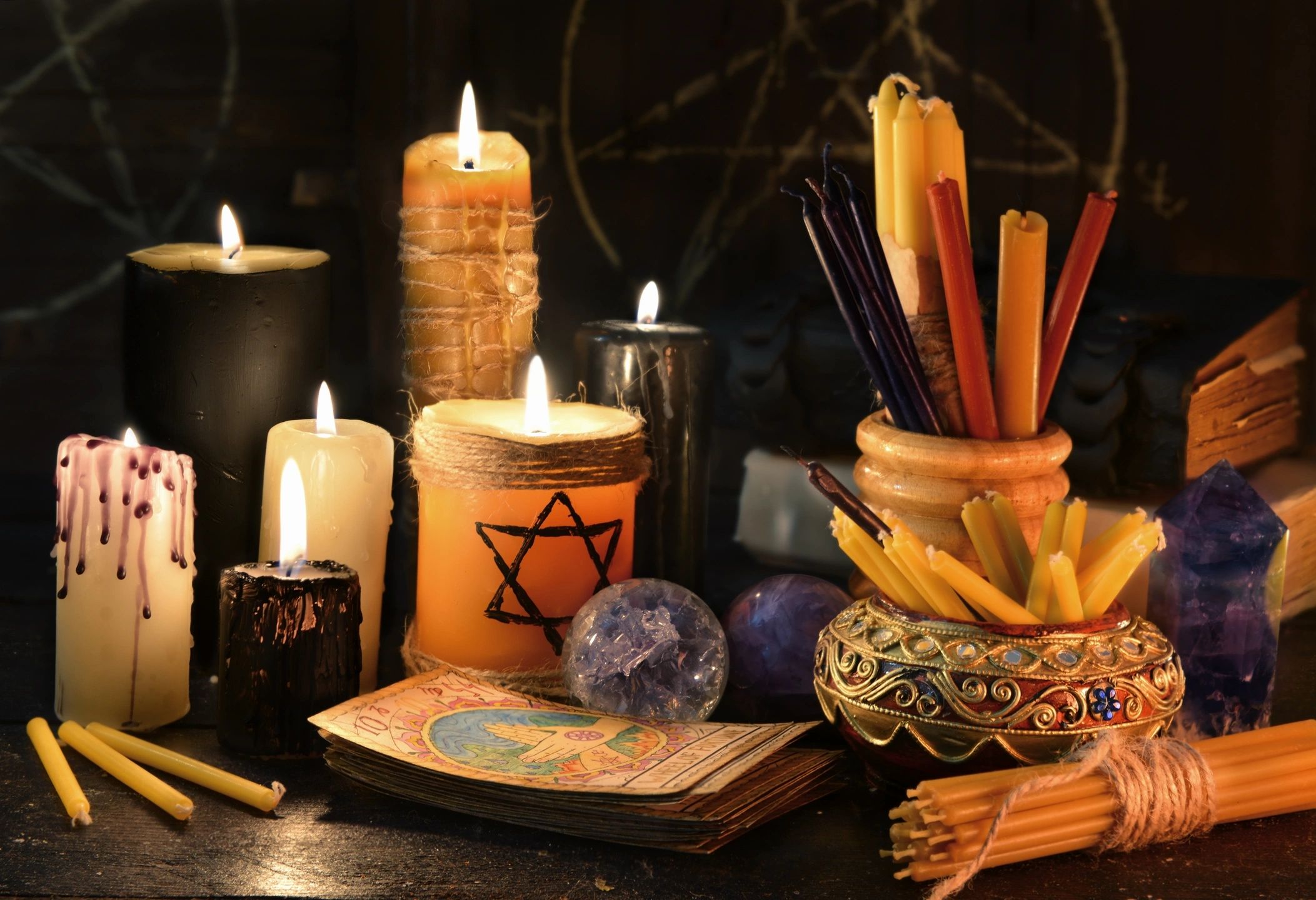
Traditional practices included lighting hearth fires or candles in her honor, offering milk and bread, and weaving Brigid’s crosses for household blessings.
🕯️ Customs and Rituals
Traditional Imbolc observances included:
- Lighting fires or candles to invoke returning warmth and light.
- House cleansing rituals, symbolically sweeping away winter’s lingering energies.
- Weather divination—clear skies suggested a prolonged winter, while clouds hinted at an early spring.
- Offerings: placing milk, butter, or bread on doorsteps or wells to honor Brigid and seek her blessings.
✝️ The Transition to Candlemas
As Christianity spread, Imbolc became associated with Candlemas on February 2, commemorating the presentation of Jesus and Mary’s purification. Despite this overlay, the original themes of purification, light, and seasonal renewal endured, blending pagan and Christian traditions.
🌟 Modern Revival
With the resurgence of interest in Celtic spirituality and neo-paganism, Imbolc has become a prominent celebration in the modern Wheel of the Year. Contemporary practices include lighting candles for hope, crafting Brigid’s crosses for protection, ritual cleanings, and visiting wells to honor the wellspring of new life.
✨ Imbolc: Then and Now
From its roots as an ancient Gaelic fire festival of purification, Imbolc has evolved through Christianization and into a vibrant modern celebration, keeping alive its core essence: the return of light, the cleansing of old energy, and the sacrament of renewal.