Author: aethermeremagic

  • Rainy Fall Day Spellwork

    Rainy Fall Day Spellwork

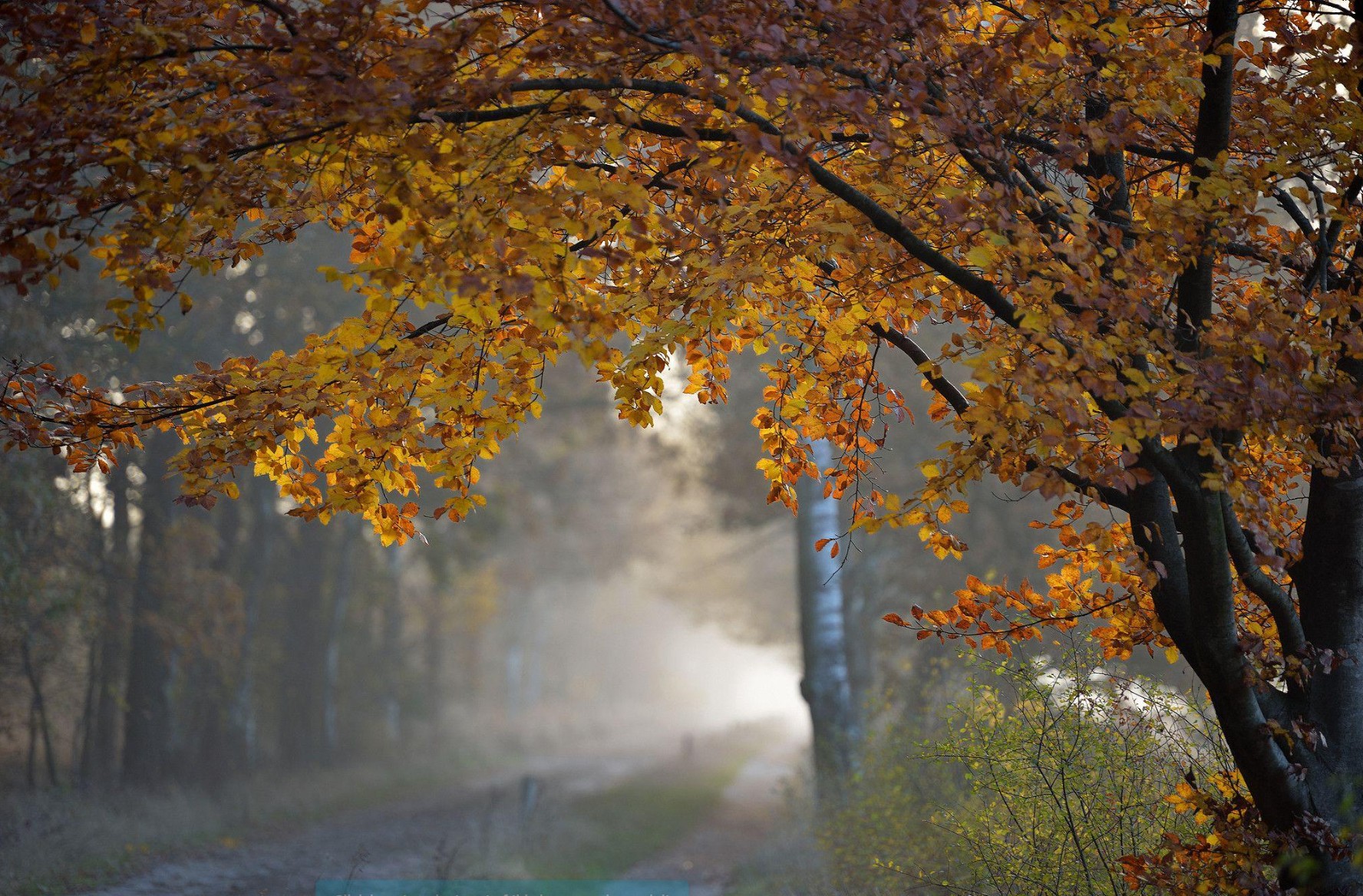
    There’s something enchantingly sacred about a rainy fall day. The Earth exhales, the veil thins, and magic stirs in the mist. As the rain falls, it’s not just water — it’s a cleansing, a transition, a whisper from the spirit world.

    Rainwater is a magical ally. If you feel called, collect it. Use it in your spellwork for cleansing, intuition, or release. It’s especially potent as Samhain approaches, carrying the energy of endings and transformation.

    Listen to the leaves. Their wet rustle is a song of cycles. Let it guide your journaling or divination. Rain amplifies intuition — this is a beautiful time to reflect, dream, and receive messages from spirit.

    Cozy spellcraft is powerful. Light a candle, brew a spiced tea, and enchant your space with warmth and protection. Stir cinnamon, clove, or nutmeg into your drink with intention. Speak your desires aloud as the steam rises — the spirits are listening.

    Mist is mystery. If fog rolls in, slow down. It’s a veil in itself, inviting scrying, meditation, or ancestor work. Let the obscured landscape mirror your own inner mysteries.

    So today, let the rain be your ritual. Let the Earth’s rhythm guide your magic. And remember — even in the quiet, the witch’s work is never done.

    Spell: Whisper of the Rain Veil

    Purpose: To connect with the thinning veil, cleanse your spirit, and invite intuitive guidance on a rainy fall day.

    You’ll Need:

    • A candle (white or deep orange)
    • A warm spiced tea (cinnamon, clove, nutmeg)
    • A journal or divination tool (cards, pendulum, scrying bowl)
    • A small bowl to collect rainwater (optional)
    • A quiet space near a window or outdoors under shelter

    Steps:

    1. Prepare Your Space
      Light your candle and brew your tea. Set your tools before you. If you can, open a window or sit where you can hear the rain. Let its rhythm settle your breath.
    2. Call the Rain Spirits
      Whisper:
      “Rain that falls from sky to stone,
      Cleanse my spirit, flesh and bone.
      Veil grows thin, the mist draws near,
      Ancients speak — I’m ready to hear.”
    3. Sip and Stir Intention
      As you stir your tea, speak your desire aloud. Let the steam carry your words to the unseen. Sip slowly, imagining warmth filling your body with clarity and protection.
    4. Divine or Reflect
      Use your journal or divination tool to receive messages. Ask:
      “What is ready to fall away? What truth waits in the mist?”
      Let the rain guide your intuition.
    5. Seal the Spell
      If you’ve collected rainwater, anoint your forehead or hands with a drop. Say:
      “By rain and leaf, by flame and breath,
      I walk between, I honor death.
      What’s shed shall feed the roots below,
      And from this fall, new life shall grow.”
    6. Close with Gratitude
      Blow out your candle. Thank the rain, the spirits, and yourself. Let the rest of your day unfold gently, knowing the magic is already working.
  • New Moon 3-Card Tarot Spread Ritual

    New Moon 3-Card Tarot Spread Ritual

    This ritual is designed to help you align with the energy of the New Moon—planting seeds of intention while honoring what needs to shift, settle, or stay.

    New Moon Tarot Spread: Release, Accept, Hold Onto

    1. What to Release
      This card reveals what no longer serves you—habits, beliefs, relationships, or patterns that are ready to be let go. It helps clear space for new intentions.
    2. What to Accept
      This card shows what you need to acknowledge or embrace in your current reality. It may be a truth, a lesson, or a situation that needs your compassion and understanding.
    3. What to Hold Onto
      This card highlights your strengths, values, or relationships that are worth nurturing. It reminds you of what grounds you and supports your growth.

    Would you like me to help you interpret a reading using this spread? You can draw three cards (physically or digitally) and tell me what they are, and I’ll walk you through the meanings. Or, if you’d like a sample reading, I can pull cards for you!

    Provide your feedback on BizChat

    You said:

    turn that into a detailed new moon ritual

    Copilot said:

    Copilot

    Here’s a detailed New Moon ritual based on your three-card tarot spread: What to Release, What to Accept, What to Hold Onto. This ritual is designed to help you align with the energy of the New Moon—planting seeds of intention while honoring what needs to shift, settle, or stay.

    🌑 New Moon Tarot Ritual: Release, Accept, Hold Onto

    🕯️ Supplies:

    • Your tarot deck
    • A journal and pen
    • Three candles (optional: black, white, and green or gold)
    • A small bowl of water (for cleansing)
    • A fire-safe dish or cauldron (for burning paper)
    • Small pieces of paper and something to write with
    • Crystals or herbs associated with new beginnings (e.g., moonstone, clear quartz, rosemary, mugwort)

    🌙 Step-by-Step Ritual

    1. Create Sacred Space

    Cleanse your space with smoke, sound, or intention. Light your candles—black for release, white for clarity and acceptance, and green/gold for growth and abundance. Place your bowl of water nearby as a symbol of lunar energy.

    Take a few deep breaths. Center yourself. Say aloud or silently:

    “Under this New Moon, I open to transformation. I honor what has been, what is, and what is becoming.”

    2. Draw Your Cards

    Shuffle your tarot deck while focusing on the three intentions:

    • What do I need to release?
    • What do I need to accept?
    • What do I need to hold onto?

    Draw one card for each and lay them out in a row.

    3. Reflect and Journal

    Spend time with each card. Write down:

    • The card’s imagery and symbolism
    • Your intuitive interpretation
    • How it applies to your current life

    Prompts:

    • Release: What am I ready to let go of? What has run its course?
    • Accept: What truth or reality must I embrace to move forward?
    • Hold Onto: What strengths, values, or relationships are my foundation?

    4. Ritual Actions

    For Release:
    Write what you’re releasing on a piece of paper. Read it aloud, then burn it safely in your fire-safe dish. As the smoke rises, say:

    “I release what no longer serves me. I make space for new beginnings.”

    For Acceptance:
    Dip your fingers into the bowl of water and anoint your forehead and heart. Say:

    “I accept what is. I trust the unfolding of my path.”

    For Holding Onto:
    Hold your chosen crystal or herb. Speak aloud what you are choosing to keep and nurture. Say:

    “I hold onto what strengthens me. I carry it forward with love and purpose.”

    5. Set Your New Moon Intention

    Now that you’ve cleared space and grounded in your truth, write a clear, heartfelt intention for the lunar cycle ahead. Keep it present-tense and empowering.

    Example:

    “I am building a life rooted in joy and aligned with my soul’s purpose.”

    Place this intention on your altar or somewhere visible.

    6. Close the Ritual

    Blow out your candles in reverse order (green/gold, white, black). Thank your guides, the Moon, and yourself. Say:

    “This ritual is complete. So mote it be.”

  • Mystic Pathways: October Edition

    Mystic Pathways: October Edition

    A Monthly Guide for Magical Living, Learning & Connection
    By Lady D. Oakmoon

    🧙‍♀️ Welcome, Kindred Spirits

    As the wheel turns and we enter the sacred threshold of Samhain, the veil between worlds grows thin. This is a time for honoring ancestors, embracing transformation, and deepening our magical practice. In this month’s newsletter, you’ll find seasonal rituals, magical teachings, community offerings, and inspiration to guide your journey.

    🌿 Seasonal Living & Sabbat Wisdom

    ✨ Sabbat Focus: Samhain – Honoring the Ancestors

    Samhain marks the end of the harvest and the beginning of the dark half of the year. It’s a powerful time for reflection, release, and connection with the spirit realm.

    🌾 Living Seasonally

    Here are a few ways to align your life with the energy of Samhain:

    • Create an ancestral altar with photos, candles, and offerings.
    • Forage seasonal herbs like mugwort and rosemary for protection and divination.
    • Journal with prompts like “What am I ready to release?” or “What wisdom do my ancestors offer me?”

    🌳 Nature Ritual

    Ritual: Whisper to the Leaves
    Take a walk in a wooded area. Collect fallen leaves and whisper your intentions or messages to your ancestors. Burn or bury the leaves as an offering.

    🧠 Magical Teachings & Tools

    🔥 Featured Lesson: Working with Warrior Deities

    This month, we explore the fierce and protective energy of The Morrigan, a Celtic goddess of battle, prophecy, and sovereignty. Learn how to invoke her strength in your rituals and shadow work.

    🪄 Magical Tool of the Month: Rowan Wand

    Rowan wood is known for its protective and intuitive properties. Craft a wand this month and charge it under the waning moon for ancestral connection.

    📐 Arcane Theory Corner

    Sacred Geometry in Ritual Spaces
    Explore how shapes like the pentacle, spiral, and vesica piscis can enhance your magical workings and altar design.

    ✨ Spell or Ritual of the Month

    Spell: Veil Between Worlds Protection Spell
    Purpose: To shield your energy during liminal times and spirit work.

    Ingredients:

    • Black candle
    • Mugwort incense
    • Small mirror
    • Salt circle

    Instructions:

    1. Cast a circle and light the candle.
    2. Burn mugwort and gaze into the mirror.
    3. Speak: “I walk between worlds, protected and whole.”
    4. Close the circle and sprinkle salt at your threshold.

    Timing: Best performed on October 31st or during the waning moon.

    📚 Resources & Recommendations

    • Book of the Month: The Witch’s Book of Mysteries by Devin Hunter
    • Podcast: Between the Worlds – Episode on Samhain traditions
    • Course Spotlight: Shadow Work & Inner Alchemy – Begins October 1st

    Explore deep transformation and magical self-healing. Enroll in the Energy Healing & Reiki course today.

    🗓️ Upcoming Events & Offerings

    • Workshop: Sigil Creation for Samhain – October 28
    • Course: Magical Ethics & Protection – Starts November 1
    • Store Discount: 25% off with promo code: samhain25

    🌟 Community Spotlight

    This month, we’re featuring Luna Rivers, a student who created a stunning Samhain altar honoring her grandmother.

    “I felt her presence so strongly—it was like she was guiding my hands.”

    Want to be featured? Submit your altar photos, seasonal recipes, or magical stories to: harvestmoon@aethermeremagic.org

    🧭 Closing Reflection

    As we move through the shadows of Samhain, may your path be lit by ancestral wisdom and the quiet magic of falling leaves. Thank you for being part of this sacred community.

    Blessed be,
    Lady D. Oakmoon

  • Samhain Ritual: Honoring the Ancestors & Embracing Transformation

    Samhain Ritual: Honoring the Ancestors & Embracing Transformation

    Purpose:

    To honor the ancestors, release what no longer serves, and align with the energies of death, rebirth, and the thinning veil between worlds.

    Timing:

    Perform on the evening of October 31st, ideally after sunset when the veil is at its thinnest.

    Preparation

    Tools and Supplies:

    • Black and orange candles (or white if unavailable)
    • A small cauldron or fire-safe bowl
    • Dried herbs or leaves for burning (e.g., mugwort, rosemary, bay)
    • Photos or mementos of ancestors or departed loved ones
    • A mirror or bowl of water for scrying
    • Paper and pen
    • Seasonal offerings (apples, bread, wine, nuts)
    • Incense (myrrh, patchouli, or sandalwood)
    • Altar cloth (black, deep purple, or autumn-themed)
    • Optional: Tarot or oracle cards for divination

    Ritual Steps

    1. Cleansing the Space

    Begin by cleansing your ritual area with smoke (incense or sage), sound (bells or chimes), or sprinkling salt water. As you do this, say:

    “I cleanse this space of all energies that do not serve. Only love, wisdom, and truth may enter.”

    2. Casting the Circle

    Walk clockwise around your space, visualizing a protective circle forming. You may say:

    “I cast this circle in sacred space. Between the worlds I stand, beyond time I walk.”

    3. Calling the Quarters (Optional)

    Invoke the elements to support your ritual. Face each direction and say:

    • East (Air): “Spirits of Air, bring clarity and insight. Be welcome.”
    • South (Fire): “Spirits of Fire, bring transformation and passion. Be welcome.”
    • West (Water): “Spirits of Water, bring healing and emotion. Be welcome.”
    • North (Earth): “Spirits of Earth, bring grounding and wisdom. Be welcome.”

    4. Lighting the Samhain Fire

    Light your black and orange candles. If using a cauldron or fire-safe bowl, light a small fire or burn herbs and leaves. As the flame rises, say:

    “I light this fire in honor of Samhain, the turning of the Wheel. May its flame guide the spirits and illuminate the path of transformation.”

    5. Honoring the Ancestors

    Place photos or mementos of ancestors on your altar. Offer food, drink, or symbolic gifts. Speak aloud the names of those you wish to honor. You may say:

    “Beloved ancestors, I welcome you. I honor your lives, your wisdom, and your presence. May you walk with me tonight and bless this sacred space.”

    Spend a few moments in silence, listening or meditating. You may feel their presence or receive intuitive messages.

    6. Release Ritual

    Write down on paper what you wish to release—habits, fears, grief, or anything that no longer serves you. Hold the paper and say:

    “As the leaves fall and the year dies, so too shall this be released. I let go with love and trust in the cycle of renewal.”

    Burn the paper in the cauldron or fire-safe bowl. Visualize the energy transforming into light and rising into the night.

    7. Divination and Spirit Communication

    Use a mirror, bowl of water, or tarot/oracle cards to seek guidance. Ask questions such as:

    • “What wisdom do my ancestors offer?”
    • “What must I embrace in the coming year?”
    • “What transformation is unfolding?”

    Record any insights in a journal. Trust your intuition and remain open to subtle messages.

    8. Closing the Ritual

    Thank the ancestors and spirits:

    “Thank you, ancestors and guides, for your presence and wisdom. Go in peace and love.”

    Release the quarters if you called them:

    • “Spirits of the East, thank you and farewell.”
    • “Spirits of the South, thank you and farewell.”
    • “Spirits of the West, thank you and farewell.”
    • “Spirits of the North, thank you and farewell.”

    Take down the circle:

    “The circle is open but never broken. May the blessings of Samhain remain with me.”

    9. Grounding and Feasting

    Eat a small meal or share seasonal foods. This grounds your energy and honors the harvest. You may leave a portion outside as an offering to the spirits or the Earth.

    Optional Additions

    • Silent Supper: A meal eaten in silence with a place set for the ancestors.
    • Spirit Candle: Light a candle and let it burn through the night to guide spirits.
    • Ancestral Meditation: Visualize meeting an ancestor in a sacred space and receiving guidance.

    Closing Thoughts

    This Samhain ritual is designed to be deeply personal and transformative, aligning you with the energies of the season and the wisdom of those who came before. It can be adapted for group settings, simplified for beginners, or expanded with additional magical workings.

  • The Historical Origins of Samhain (pronounced SOW-in

    The Historical Origins of Samhain (pronounced SOW-in

    The Historical Origins of Samhain

    Samhain (pronounced SOW-in or SAH-win) is one of the most ancient and significant festivals in Celtic tradition, marking the end of the harvest season and the beginning of winter. Celebrated from October 31st to November 1st, Samhain is widely recognized today as the spiritual precursor to Halloween, but its roots run deep into the pre-Christian past, where it served as a pivotal moment in the agricultural and ritual calendar of the Celtic peoples.

    This festival is not only a celebration of seasonal change but also a profound spiritual observance that honors the dead, acknowledges the thinning of the veil between worlds, and initiates a time of introspection and transformation. To understand Samhain’s historical origins, we must delve into the cultural, mythological, and archaeological evidence that illuminates its ancient past.

    Celtic Calendar and the Wheel of the Year

    The Celts, an Indo-European people who inhabited much of Western Europe during the Iron Age, had a cyclical view of time. Their calendar was divided into two halves: the light half, beginning with Beltane in May, and the dark half, beginning with Samhain in late October. These halves were punctuated by four major fire festivals: Samhain, Imbolc, Beltane, and Lughnasadh.

    Samhain was considered the most important of these festivals. It marked the end of the agricultural year, when crops had been harvested and livestock were brought in from summer pastures. It was a time of preparation for winter, both physically and spiritually. The Celts believed that during Samhain, the boundaries between the world of the living and the world of the dead became permeable, allowing spirits to cross over.

    Etymology and Linguistic Roots

    The word Samhain derives from the Old Irish Samfuin, meaning “summer’s end.” It is related to the Gaelic word samrad, meaning “summer,” and fuin, meaning “end.” This etymology reflects the festival’s role as a seasonal turning point, transitioning from the warmth and abundance of summer to the cold and scarcity of winter.

    In modern Irish, Samhain is the name for the month of November, further emphasizing its importance as a marker of seasonal change.

    Mythological Foundations

    Samhain is deeply embedded in Celtic mythology, particularly in the Irish mythological cycles. Many tales from the Mythological Cycle, Ulster Cycle, and Fenian Cycle are set during Samhain, underscoring its significance as a liminal time when extraordinary events occur.

    The Morrígan and the Dagda

    One famous myth involves the Morrígan, the goddess of war and fate, and the Dagda, a father god and druid. On Samhain, the Dagda meets the Morrígan at a river and they unite, symbolizing the merging of life and death, fertility and decay. Their union ensures the land’s prosperity and protection during the harsh winter months.

    Tales of the Sidhe

    Samhain is also associated with the Sidhe (pronounced shee), the fae or spirit folk who dwell in the Otherworld. It was believed that during Samhain, the Sidhe could enter the human realm, and humans could more easily access the Otherworld. Many stories tell of heroes encountering supernatural beings or traveling to mystical realms during this time.

    Archaeological Evidence and Ancient Practices

    While much of what we know about Samhain comes from medieval texts written by Christian monks, archaeological evidence supports the antiquity of the festival.

    Hill of Tara and Tlachtga

    Two important ceremonial sites in Ireland—the Hill of Tara and Tlachtga (Hill of Ward)—are closely associated with Samhain. These sites were centers of ritual activity, and evidence suggests that large communal fires were lit there during Samhain to mark the transition of seasons and to honor the gods.

    At Tlachtga, in particular, fire festivals were held that may have involved ritual sacrifices, divination, and seasonal rites. These fires were considered sacred and were used to light hearths throughout the region, symbolizing unity and protection.

    Rituals and Customs

    Samhain was a time of communal gathering, feasting, and ritual observance. Some of the key customs included:

    Bonfires

    Large bonfires were lit to honor the gods and spirits. These fires served both practical and spiritual purposes: they provided warmth and light, and they were believed to ward off malevolent spirits. People would walk between fires or leap over them for purification and protection.

    Offerings to the Dead

    Food and drink were left outside homes or at burial sites as offerings to ancestors and wandering spirits. This practice was rooted in the belief that the dead returned during Samhain and should be honored to ensure their blessings and avoid their wrath.

    Divination

    Samhain was considered an ideal time for divination, as the veil between worlds was thin. Methods included casting stones, reading runes, apple bobbing, and dream interpretation. These practices were used to gain insight into the future, especially concerning marriage, death, and fortune.

    Masks and Disguises

    To avoid being recognized or harmed by spirits, people would wear masks or costumes. This custom is the origin of modern Halloween dress-up. Disguises were also used to confuse or appease the Sidhe, who might otherwise play tricks or cause mischief.

    Christianization and the Emergence of Halloween

    With the spread of Christianity across Celtic lands, many pagan festivals were adapted or absorbed into the Christian calendar. In the 7th century, Pope Boniface IV established All Saints’ Day (originally in May), which was later moved to November 1st by Pope Gregory III in the 8th century, likely to coincide with Samhain and ease the transition for pagan converts.

    By the 9th century, All Souls’ Day (November 2nd) was added to honor all the faithful departed. These Christian observances gradually merged with Samhain traditions, giving rise to All Hallows’ Eve—the precursor to Halloween.

    Despite the Church’s efforts to suppress pagan practices, many Samhain customs persisted, especially in rural areas. Over time, they evolved into secular traditions such as trick-or-treating, carving pumpkins, and telling ghost stories, all of which echo the ancient themes of death, spirits, and transformation.

    Survival and Revival in Modern Paganism

    In the 20th century, Samhain experienced a resurgence through the rise of Wicca and modern Paganism. Influenced by the writings of Gerald Gardner, Doreen Valiente, and other early Wiccan figures, Samhain was re-established as one of the eight Sabbats on the Wheel of the Year.

    Modern Pagans celebrate Samhain as a time to:

    • Honor ancestors and the dead
    • Perform rituals of release and transformation
    • Engage in divination and spiritual reflection
    • Celebrate the end of the harvest and prepare for winter

    Altars are often decorated with seasonal items such as pumpkins, apples, bones, candles, and photographs of deceased loved ones. Rituals may include circle casting, invocations, guided meditations, and symbolic death-and-rebirth ceremonies.

    Samhain Around the World

    While Samhain is rooted in Celtic tradition, similar festivals exist across cultures:

    • Día de los Muertos (Mexico): A vibrant celebration honoring deceased loved ones with altars, offerings, and festivities.
    • All Saints’ and All Souls’ Days (Christian): Days of remembrance for saints and the faithful departed.
    • Fête des Morts (Haiti): A Vodou celebration of the dead, involving rituals and offerings.
    • Chuseok (Korea): A harvest festival that includes ancestor veneration.

    These parallels suggest a universal human impulse to honor the dead and mark the transition between seasons with ritual and reflection.

    Conclusion: Samhain’s Enduring Legacy

    Samhain stands as a testament to the enduring power of seasonal and spiritual observance. From its ancient roots in Celtic fire festivals to its modern expression in Pagan rituals and Halloween traditions, Samhain continues to captivate the imagination and soul.

    Its themes of death and rebirth, ancestral connection, and spiritual transformation resonate across time and culture. Whether celebrated with solemn ritual or festive joy, Samhain invites us to pause, reflect, and honor the mysteries of life and death.

    In embracing Samhain, we align ourselves with the rhythms of nature, the wisdom of the ancestors, and the eternal cycle of the Wheel of the Year.
  • Candle Spell for Releasing Negative Patterns

    Candle Spell for Releasing Negative Patterns

    The waning crescent moon is a sacred time of surrender, introspection, and energetic release. As the moon’s light fades into darkness, it invites us to turn inward and let go of what no longer serves our soul’s growth. This phase is ideal for banishing negative patterns, outdated beliefs, and emotional residue that may be blocking your path. Working candle magic during this lunar moment aligns your intentions with the natural rhythm of dissolution, making your spellwork more potent and spiritually attuned to the cycle of renewal.

    Purpose: To release limiting beliefs, toxic habits, or emotional burdens that no longer serve your highest good.

    🔮 Materials Needed:

    • Black or dark blue candle (for banishing and protection)
    • Fire-safe dish or cauldron
    • Piece of paper and pen
    • Optional herbs or oils: lavender (peace), sage (cleansing), myrrh (release)
    • Moon water or salt water (for cleansing)
    • Bell or chime (to mark the shift)

    🌙 Timing:

    Perform during the waning crescent moon, ideally just before the new moon. Evening hours are best for introspection and release.

    🕯️ Spell Steps:

    1. Prepare Your Space
      Cleanse your space with smoke (sage or incense), moon water, or sound. Dim the lights and create a quiet, sacred atmosphere.
    2. Dress the Candle
      Anoint the candle with oil (if desired), moving from the base to the wick to symbolize release. You may roll it in herbs or carve symbols of release (like a waning moon or banishing sigils).
    3. Write What You’re Releasing
      On the paper, write down the negative patterns, thoughts, or behaviors you wish to let go of. Be specific and honest.
    4. Invocation
      Light the candle and say:
      “As this flame burns low, so too shall these patterns fade.
      I release what no longer serves me.
      I reclaim my power, my peace, my truth.
      So mote it be.”

    5. Burn the Paper
      Carefully burn the paper in the fire-safe dish, visualizing the energy of those patterns dissolving into smoke. Feel the weight lifting.
    6. Seal the Spell
      Ring the bell or chime to mark the energetic shift. You may also sprinkle moon water or salt water around you for purification.
    7. Close with Gratitude
      Sit in silence for a few moments. Thank the moon, your guides, and yourself for the courage to release.

    🧘‍♀️ Aftercare:

    Take a cleansing bath or shower. Journal any insights. Rest deeply. You may choose to bury the ashes or scatter them to the wind as a final act of release.