As the final harvest wanes and the veil between worlds thins, Samhain arrives—an ancient Celtic festival steeped in mystery, reverence, and transformation. Celebrated from October 31 to November 1, Samhain marks the transition from the light half of the year to the dark, a time when the boundaries between the living and the dead blur, inviting reflection, connection, and ritual.
Ancient Celtic Origins
Samhain (pronounced SOW-in) was one of the four major Gaelic fire festivals, alongside Imbolc, Bealtaine, and Lughnasadh. For the ancient Celts of Ireland, Scotland, and Wales, Samhain was both a seasonal marker and a spiritual observance. It signified the end of the harvest and the beginning of winter—a liminal time when the old year died and the new one began. [celtic.myt…ldwide.com]
Communities extinguished hearth fires and gathered around communal bonfires, lit by Druid priests using sacred wheels to spark flames. These fires symbolized protection, purification, and the sun’s power as the days grew darker. [history.com]
Honoring the Dead and the Otherworld
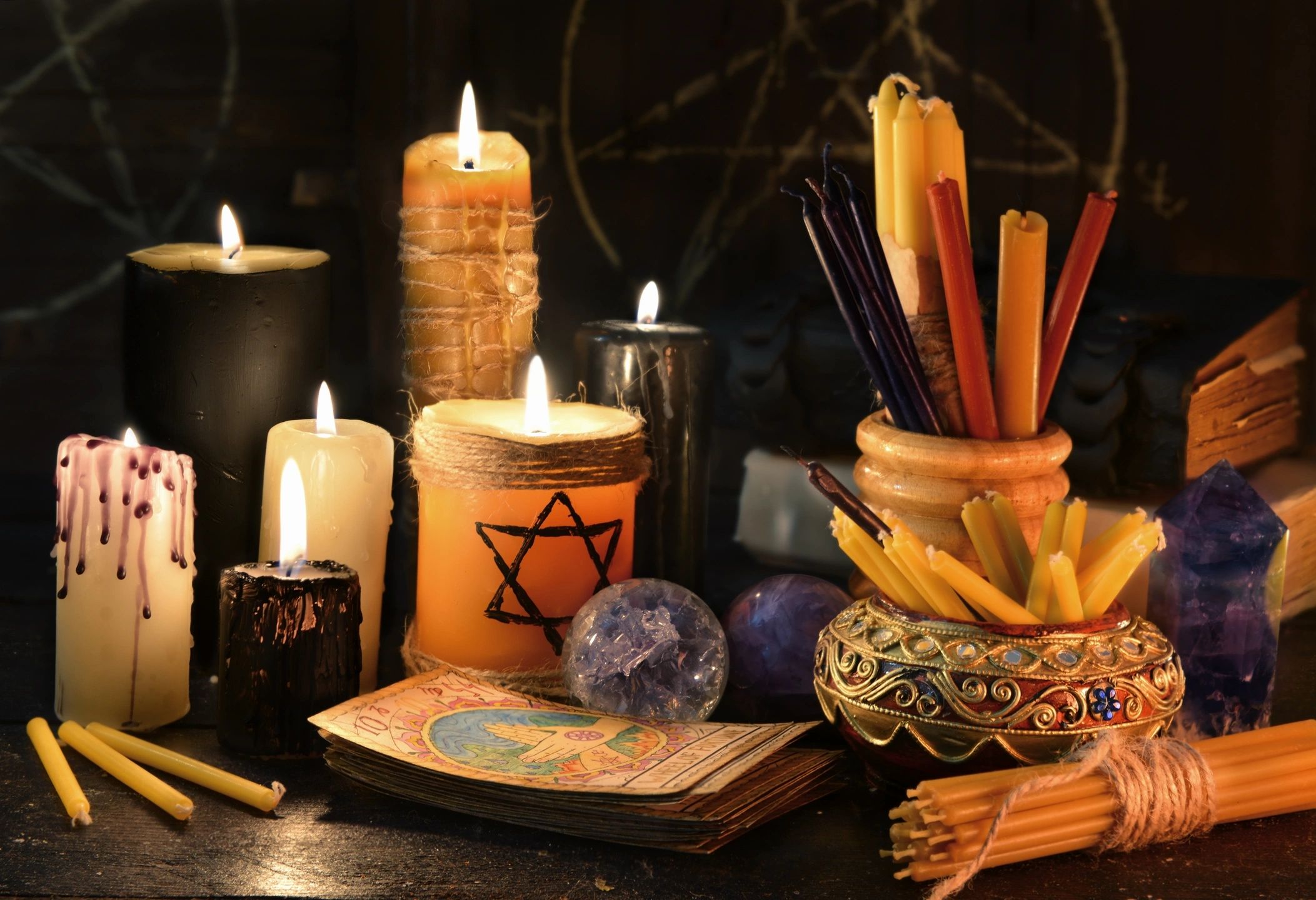
Samhain was believed to be a time when spirits of the deceased returned to visit the living. Families prepared altars with food, candles, and mementos to welcome their ancestors. This practice of ancestor veneration remains central to modern Samhain celebrations. [celtic.myt…ldwide.com]
To avoid being taken by mischievous fairies or spirits, Celts would dress in animal skins or monstrous disguises, a tradition that evolved into modern-day Halloween costumes. [history.com]
Divination and Magic
With the veil between worlds at its thinnest, Samhain was considered an ideal time for divination. Ancient practices included apple peeling to reveal the initials of future lovers, casting stones into fires, and interpreting dreams or omens. These rituals sought guidance for the coming year and insight into the unseen realms. [celtic.myt…ldwide.com]
Regional Variations and Evolution
Across Europe, Samhain took on unique forms:
- Scotland: Turnips were carved into lanterns, a precursor to the modern jack-o’-lantern.
- Wales: Celebrated as Calan Gaeaf, with customs focused on warding off spirits.
- Isle of Man: Known as Hop-tu-Naa, featuring songs and processions.
- Northern Spain: Samaín included bonfires and ancestral rites. [timenomads.com]
As Christianity spread, Samhain traditions merged with All Saints’ Day and All Souls’ Day, eventually influencing the development of Halloween. Despite these changes, the core themes of death, rebirth, and spiritual connection endured. [history.com]
Modern Samhain Celebrations
Today, Samhain is embraced by Wiccans, Pagans, and spiritual seekers as the Witch’s New Year. Rituals may include:
- Dumb Suppers: Silent meals shared with the spirits of loved ones.
- Seasonal Altars: Decorated with autumnal symbols, candles, and ancestor photos.
- Protection Spells: To guard against negative energies during this vulnerable time.
- Reflection and Release: Letting go of what no longer serves and setting intentions for the year ahead. [pagangrimoire.com]
Whether celebrated in solitude or with community, Samhain invites us to pause, honor the past, and embrace the mysteries of the unseen.